
Compare Local Contractors for Curb Appeal Landscaping Projects
Compare local contractors for curb appeal landscaping to define project scope, verify experience, and set clear expectations, ensuring a successful property enhancement.
Contractors specializing in curb appeal landscaping typically handle a range of outdoor improvements aimed at enhancing the visual appeal of a property’s exterior. This work often includes planting new shrubs and flowers, installing mulch or decorative stones, trimming existing greenery, and adding features like borders or planters. Some projects may involve minor landscape redesigns, such as reshaping beds or updating walkways, while others focus on routine maintenance to keep the landscape looking its best. Understanding the scope of work involved helps property owners communicate their goals clearly and ensures that contractors can provide services that meet expectations.
Defining the scope of landscaping work is a critical step in the process of hiring a contractor. A well-outlined scope clarifies exactly what tasks are to be completed, which materials will be used, and the desired aesthetic outcome. This level of detail helps prevent misunderstandings and scope creep, ensuring that both property owners and contractors share a common understanding of the project. Establishing clear expectations in writing, such as detailed descriptions of work and agreed-upon deliverables, provides a reference point throughout the project and supports a smoother collaboration.
When comparing local contractors for curb appeal landscaping, property owners should evaluate their experience with similar projects, review any available references or portfolios, and verify their understanding of the scope of work. It’s helpful to ask how they plan to approach the project and what steps they take to ensure quality and consistency. Additionally, gathering information about their methods for communication and their process for handling changes can aid in making an informed decision. By taking these steps, property owners can identify service providers who are capable of delivering the desired results and who communicate effectively to meet project goals.
Compare local contractors by outlining project priorities, verifying experience, and clearly defining scope and expectations in writing.
- Compare Contractor Experience - Review the backgrounds and portfolios of local contractors to assess their expertise in curb appeal landscaping projects.
- Define Project Scope Clearly - Outline specific tasks and expectations to ensure all parties have a shared understanding of the work.
- Verify References and Past Work - Contact previous clients or review completed projects to gauge the quality and reliability of service providers.
- Document Agreements in Writing - Ensure scope, responsibilities, and expectations are clearly detailed in a written contract before work begins.
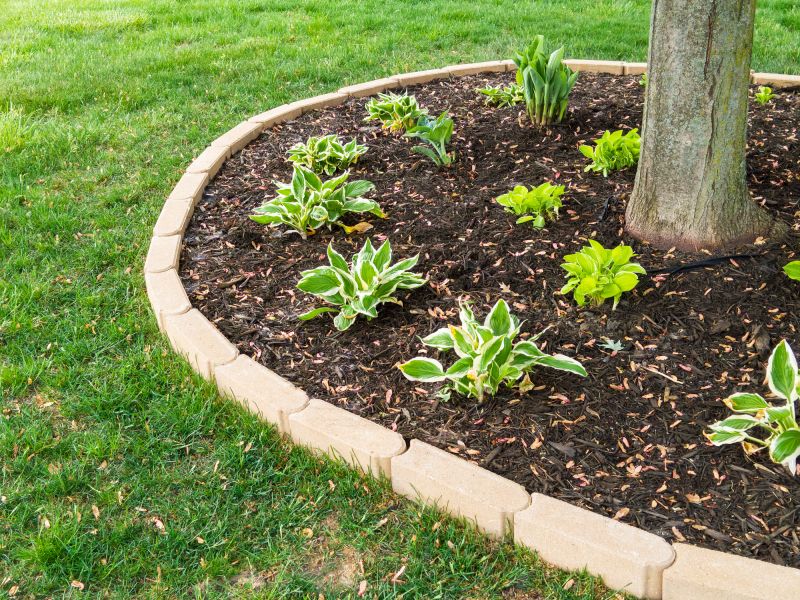
Clearly describe your curb appeal landscaping project to help compare local contractors, define scope, and set expectations in writing.
- Verify experience with curb appeal landscaping projects similar in scope and style. Consider how well contractors understand landscape design principles that enhance exterior aesthetics.
- Define the scope of work clearly in writing, including plant choices, hardscape features, and maintenance expectations. Ensure service providers can provide detailed descriptions of their recommended landscaping elements.
- Compare multiple local contractors to assess their approach to curb appeal and their ability to meet project goals. Look for consistency in their proposals and the level of detail provided.
- Check references or reviews focused on previous curb appeal projects to gauge quality and customer satisfaction. Seek feedback on the contractor’s attention to detail and ability to deliver the desired aesthetic.
- Confirm that the scope, materials, and project expectations are documented in a formal agreement before work begins. Clear documentation helps prevent misunderstandings and sets a foundation for successful collaboration.
- Assess the contractor’s understanding of local conditions that influence landscaping choices and design adaptation. This ensures the final result will be both attractive and suitable for the environment.
Use this to compare local contractors, clarify scope, verify experience, and set clear expectations.

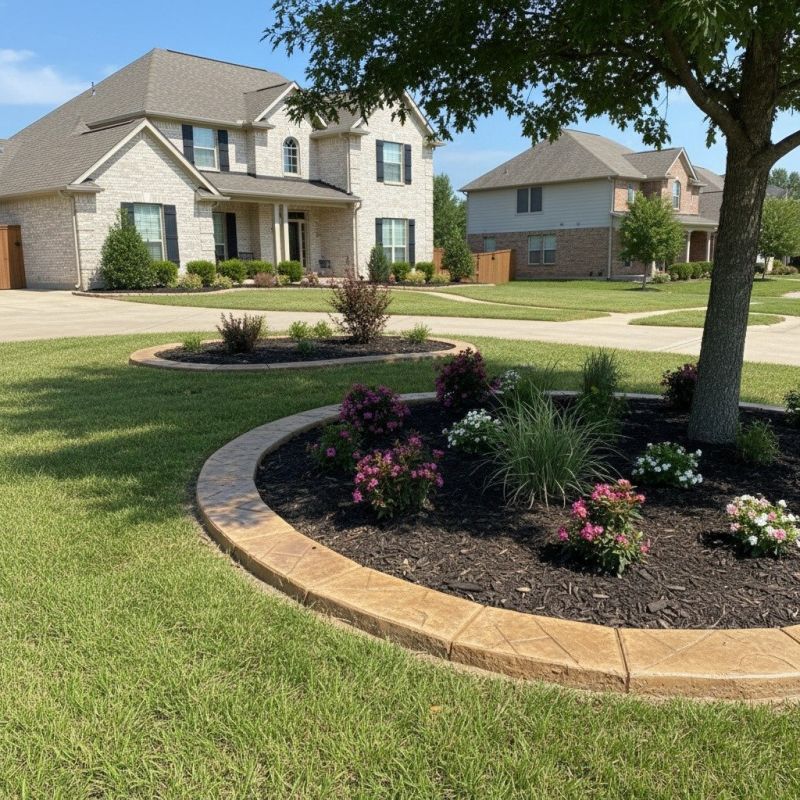
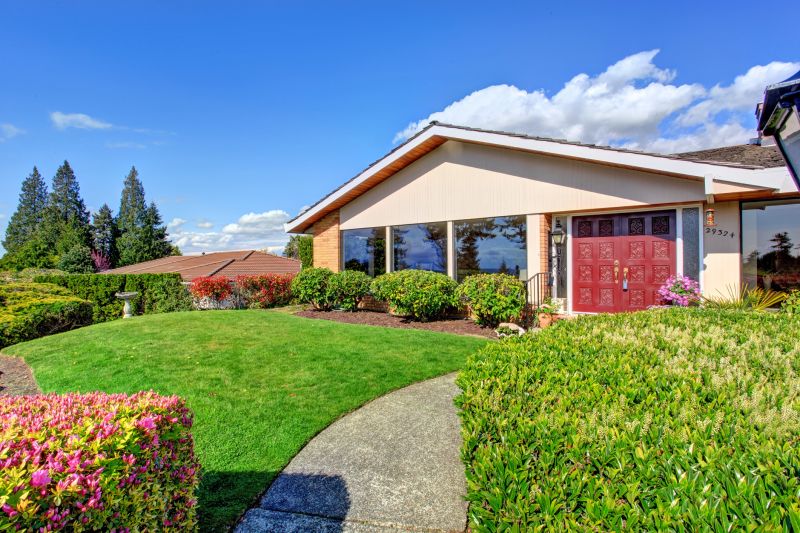
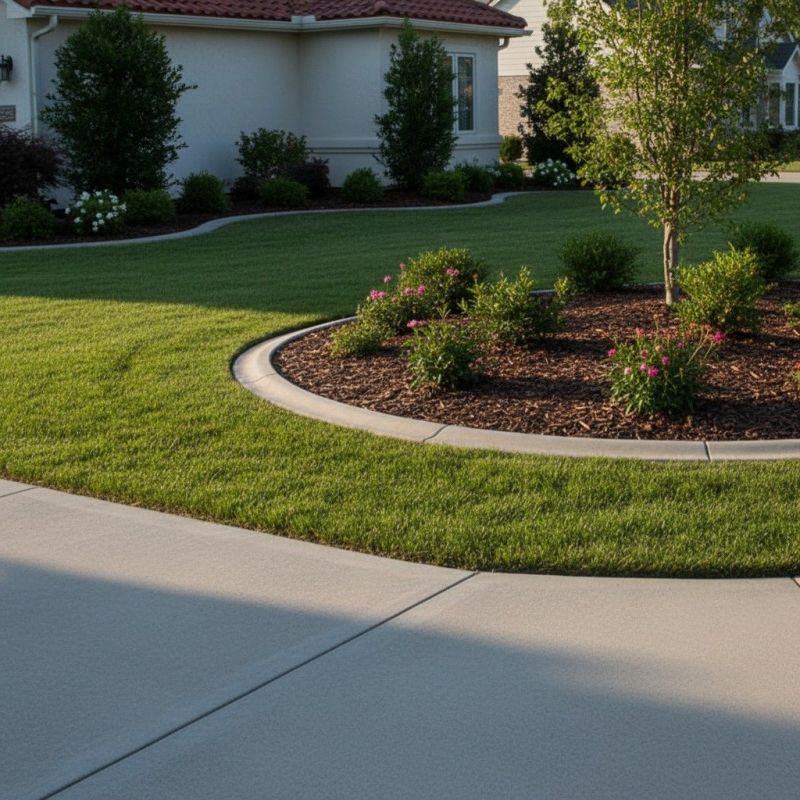
Use clear, consistent scope definitions and verify experience to effectively compare local contractors for curb appeal landscaping.
- Define Scope of Work - Clearly outline the specific landscaping tasks and features to enhance curb appeal.
- Verify Experience - Ensure service providers have relevant experience in residential landscaping projects.
- Assess Credentials - Confirm that local contractors have appropriate insurance and proper business credentials.
- Establish Expectations in Writing - Document project details, responsibilities, and outcomes to prevent misunderstandings.
- Compare Service Providers - Evaluate multiple local contractors based on scope, experience, and professionalism.
When evaluating contractors for curb appeal landscaping, it’s important to consider their experience with projects similar in scope and style to what is desired. Homeowners should inquire about the types of properties or landscaping styles the service providers have worked on previously, ensuring that their expertise aligns with the specific look or features planned. A contractor’s familiarity with local climate conditions, soil types, and regional plant selections can also influence the success of the project, making experience in comparable settings a valuable factor in the comparison process.
Clarity in the scope of work is essential when comparing contractors. A detailed, written description of what the project will include helps set clear expectations and provides a basis for evaluating proposals. Homeowners should seek service providers who can outline the specific tasks involved, such as planting, grading, edging, or installation of features, and who can confirm that all aspects of the project are covered. Having a well-defined scope reduces misunderstandings and ensures that both parties are aligned on the work to be completed.
Verification of a contractor’s background involves reviewing their approach to project planning and communication. Homeowners should look for service providers who can provide clear, written documentation of the proposed work, including detailed descriptions and any relevant specifications. Asking about their process for confirming project details and ensuring mutual understanding can help verify their professionalism. While this is not about licensing or certification, establishing that they have a structured approach to project planning and communication can be a helpful indicator of reliability.
When comparing options, it’s helpful to focus on how well each contractor’s proposal aligns with the homeowner’s project goals and expectations. Homeowners should evaluate the clarity and comprehensiveness of each service provider’s scope of work, their experience with similar projects, and their communication approach. Ensuring that all details are documented in writing provides a foundation for a smooth project process. By considering these factors, homeowners can make informed decisions and select service providers who are best suited to deliver the desired curb appeal enhancements.
Request written scope details to ensure clear expectations and consistent understanding among service providers.
- Experience and Portfolio - What types of curb appeal landscaping projects have the contractors completed previously?
- Scope of Work - How do the service providers define and document the specific tasks included in the project?
- Comparison of Services - What services and techniques do different local contractors use to enhance curb appeal?
- Communication and Clarification - How do contractors clarify project expectations and address any uncertainties in writing?
- Qualifications and References - Can the service providers provide references or examples of completed curb appeal landscaping work?
How can I compare contractors for curb appeal landscaping? To compare local contractors, review their experience, scope of services, and reputation. Gathering multiple proposals and checking references can help identify the best fit for the project.
What should I include in a scope of work for curb appeal landscaping? A clear scope should detail the specific tasks, materials, and design elements desired. Defining these details upfront helps ensure all contractors understand the project expectations.
How do I verify the experience of a landscaping contractor? Ask for examples of previous work, inquire about their years in business, and request references. Confirming their familiarity with similar projects can provide confidence in their expertise.
Why is it important to have a written agreement with a contractor? A written agreement clearly outlines the scope, responsibilities, and expectations, reducing misunderstandings and providing a record of the agreed-upon work.
What questions should I ask when evaluating local landscaping contractors? Inquire about their approach to design, materials used, project management process, and how they handle unexpected issues. These questions help assess their professionalism and compatibility.
How can I ensure that a contractor understands my vision for curb appeal? Communicate your preferences clearly and provide examples or sketches if possible. Confirm that the contractor has experience executing similar styles or concepts.
Visitors now understand the importance of clearly defining project scope, verifying the experience of local contractors, and establishing expectations in writing to ensure a smooth landscaping process. Comparing different service providers can help identify those best suited to handle curb appeal projects, giving confidence in selecting a contractor who aligns with specific needs.
Using the quote form allows for easy comparison of local service providers, helping to connect with experienced contractors capable of managing curb appeal landscaping. Taking the time to evaluate options and set clear expectations can lead to a more successful and satisfying project experience.