
Compare Local Contractors for Your Landscape Design Project
Compare local contractors for landscape design to define project scope, verify experience, and set clear expectations, ensuring a successful property transformation.
Landscape design services offered by contractors typically encompass a broad range of outdoor planning and installation tasks. These may include creating detailed plans for garden layouts, selecting appropriate plantings, designing features such as patios, walkways, and retaining walls, and integrating elements that enhance the overall aesthetics and functionality of a property. Many contractors also handle site analysis to assess soil conditions, drainage, and sunlight exposure, ensuring that design choices are suitable for the specific environment. The goal is to develop a comprehensive plan that transforms outdoor spaces into visually appealing and practical areas tailored to the property owner’s preferences.
Defining the scope of a landscape design project is a crucial step that influences the success and clarity of the work. A well-documented scope outlines the specific services to be provided, the features to be included, and the responsibilities of the contractor. This helps prevent misunderstandings and ensures that both property owners and service providers have aligned expectations. Clear scope definitions also facilitate effective communication, enable accurate comparisons between contractors, and provide a basis for measuring progress and deliverables throughout the project.
When evaluating local contractors for landscape design, property owners should consider several factors to make informed comparisons. It’s important to verify the experience and expertise of each service provider, particularly in projects similar in scope and style to the desired outcome. Reviewing portfolios or requesting references can provide insights into a contractor’s capabilities and quality of work. Additionally, comparing how contractors define project scope, communicate plans, and document agreements in writing can help identify those who prioritize clarity and professionalism. By assessing these aspects, property owners can select service providers best suited to bring their outdoor vision to life with confidence.
Compare local contractors by outlining your project priorities, verifying experience, and clarifying expectations in writing.
- Compare Contractors - Review multiple local contractors to find the best match for your landscape design needs.
- Define Project Scope - Clearly outline the work to be done to ensure all parties understand expectations.
- Verify Experience - Assess the background and past work of service providers to ensure quality.
- Set Expectations in Writing - Document project details and agreements to help prevent misunderstandings.
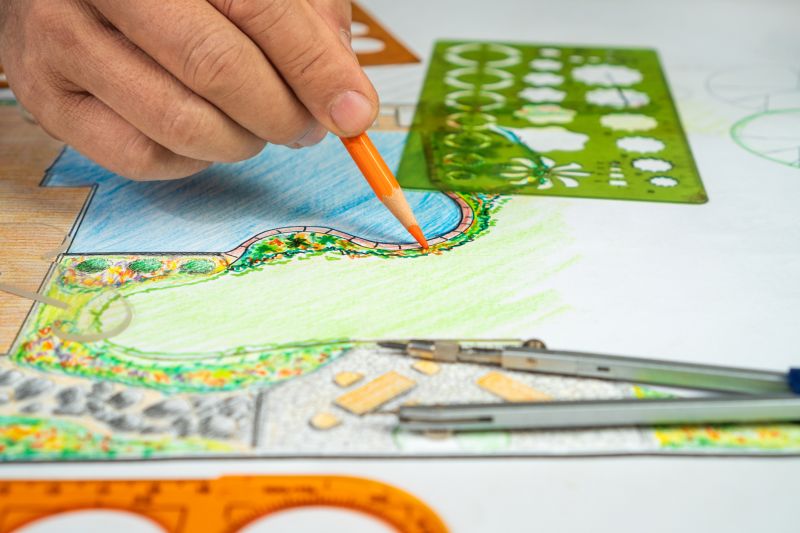
Clearly describe your landscape design project to help compare contractors, verify experience, and set expectations effectively.
- Verify experience and expertise in landscape design to ensure contractors have relevant project backgrounds. - Review portfolios or previous work examples to assess the quality and style of design work.
- Define the scope of the project clearly to communicate specific landscaping goals and expectations. - Establish detailed project descriptions to help compare service providers effectively.
- Check references or reviews to gather feedback on the reliability and professionalism of local contractors. - Seek insights into past client experiences to inform decision-making.
- Ensure that all project details, including materials, design elements, and responsibilities, are documented in writing. - Use written agreements to set clear expectations and prevent misunderstandings.
- Compare multiple service providers to evaluate their approach, experience, and communication style. - Consider how each contractor proposes to address the project scope.
- Assess the contractor’s understanding of the site conditions and local regulations relevant to landscape design. - Confirm that service providers are knowledgeable about regional considerations that may impact the project.
Compare local contractors to clarify your project scope and ensure clear, written expectations.

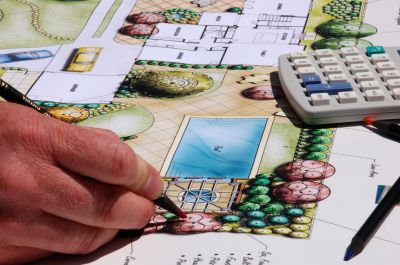
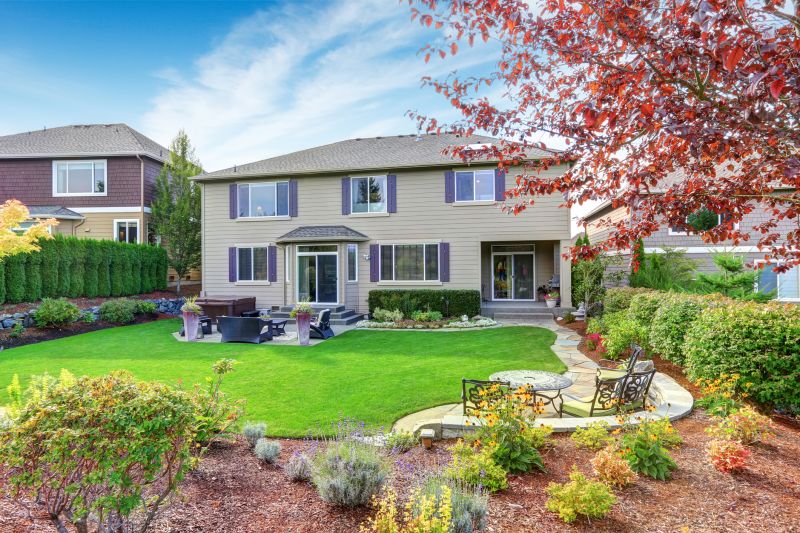

Compare local contractors consistently by defining scope, verifying experience, and setting clear expectations in writing.
- Define project scope - clearly outline the specific landscape design services required for the project.
- Verify experience - assess the background and previous work of local contractors in landscape design.
- Establish expectations in writing - document the scope, deliverables, and responsibilities to ensure clarity.
- Compare service providers - evaluate local contractors based on expertise, portfolio, and service offerings.
- Check references or reviews - review feedback from past clients to gauge the reliability and quality of local landscape design service providers.
When evaluating contractors for landscape design services, it is important to consider their experience with projects similar to the scope and style desired. Homeowners should inquire about the types of landscapes they have previously worked on, including the size, complexity, and specific features involved. A contractor with a proven track record in comparable projects can offer insights into what to expect and demonstrate familiarity with the challenges and best practices relevant to the work at hand. This background helps ensure that the service provider understands the nuances of creating a landscape that aligns with the homeowner’s vision and site conditions.
A clear, written scope of work is essential when comparing landscape design contractors. This document should outline the specific tasks, deliverables, and responsibilities involved in the project, providing a detailed understanding of what is included and what is not. Having a well-defined scope helps prevent misunderstandings and sets realistic expectations for both parties. Homeowners should look for contractors who can articulate their approach in writing, including the design process, materials involved, and any potential limitations, ensuring transparency and clarity from the outset.
Verification basics involve confirming the credentials and background of potential service providers. While licensing and certification are not the focus here, homeowners can still verify references, review portfolios of past work, and seek feedback from previous clients if available. Asking about the contractor’s experience with specific landscape features or styles can also provide reassurance of their expertise. This step helps identify service providers who have demonstrated reliability and skill in delivering projects that meet the homeowner’s standards and preferences.
When comparing options, homeowners should focus on evaluating the quality of communication, the completeness of the scope, and the contractor’s experience with similar projects. It is beneficial to ask detailed questions about their design process, how they handle unforeseen issues, and how they ensure the project aligns with the initial plan. By examining these aspects, homeowners can better understand each service provider’s approach and professionalism, leading to more informed decisions. This process ensures that expectations are clearly established and that the chosen contractor is well-equipped to handle the landscape design project effectively.
Ask contractors to provide written scope details to ensure clear expectations and consistent project understanding.
- Experience and Portfolio - What types of landscape design projects have local contractors completed recently?
- Scope of Services - How do contractors define and clarify the specific scope of a landscape design project?
- Design Process - What steps do service providers follow to develop and finalize a landscape design plan?
- Communication and Expectations - How do local contractors document project details and ensure mutual understanding?
- Comparison Criteria - What factors should be considered when evaluating different landscape design service providers?
How can I compare landscape design contractors effectively? To compare local contractors, review their portfolios, verify experience in similar projects, and check references or reviews to gauge their reputation and quality of work.
What should I consider when defining the scope of a landscape design project? Clearly outline your desired features, budget, and specific landscape elements to ensure contractors understand your expectations and can provide accurate proposals.
How do I verify a contractor’s experience in landscape design? Ask for examples of past projects, request references from previous clients, and review any available portfolios to assess their expertise and style.
What is the importance of having a written agreement with a landscape contractor? A written contract helps set clear expectations, details the scope of work, and protects both parties by documenting project specifications and responsibilities.
How can I ensure a landscape contractor understands my vision? Communicate your ideas clearly, provide inspiration or sketches if possible, and confirm that the contractor has a shared understanding before starting work.
What questions should I ask a landscape design contractor before hiring? Inquire about their experience, approach to design, previous projects, and how they handle project changes or unforeseen issues to assess their professionalism and compatibility.
This page has highlighted how to effectively compare landscape design service providers by understanding the importance of defining the scope of work, verifying experience, and putting expectations in writing. It emphasizes the value of exploring multiple options and gathering detailed information to make informed decisions. By using the quote form, visitors can easily connect with local contractors who are ready to discuss their landscape projects and provide tailored insights.
Taking the time to evaluate different service providers ensures clarity and confidence in choosing a landscape design contractor. Utilizing the quote form allows for straightforward comparison of local contractors, helping to identify professionals who can meet specific project needs. Engaging with multiple local service providers through this process supports a well-informed decision-making approach for landscape design projects.